In the modern industrial and commercial landscape, air management systems play a pivotal role in maintaining comfort, safety, and energy efficiency. One of the most crucial components of any HVAC (Heating, Ventilation, and Air Conditioning) setup is ventilation ducting. For large manufacturing plants, office buildings, hospitals, or residential complexes — ventilation ducts ensure that clean, fresh, and temperature-controlled air is delivered consistently throughout the facility.
In this blog, we’ll explore everything you need to know about ventilation ducting — from its importance and types to applications, materials, and advantages — along with insights into how Ventilair India Pvt. Ltd., a trusted name in the industry, delivers world-class ducting solutions.
What is Ventilation Ducting?
Air Ventilation ducting refers to the network of tubes or channels that circulate air to and from HVAC systems. These ducts act as passageways for delivering fresh air and removing stale or contaminated air, thereby maintaining the desired air quality indoors.
The design and installation of ducting systems depend on multiple factors, including building structure, airflow requirements, and energy efficiency standards. A properly designed ducting system ensures:
- Consistent airflow in every zone
- Temperature control and humidity balance
- Reduced dust, pollutants, and contaminants
- Improved comfort and energy savings
Importance of Proper Ventilation
In industrial and commercial environments, poor ventilation can lead to heat accumulation, humidity issues, and even health risks for occupants. Proper ventilation ducting ensures:
- Air purification: Removes harmful gases, dust, and airborne particles.
- Energy efficiency: Minimizes load on air conditioning systems.
- Safety: Prevents buildup of heat, fumes, or chemicals.
- Productivity: Maintains a comfortable and healthy atmosphere.
Ventilation systems are vital in industries like food processing, pharmaceuticals, and manufacturing, where air purity and controlled conditions are essential.
Types of Air Ventilation Ducting
Different buildings and applications require different types of ducting materials and designs. Here are the major types:
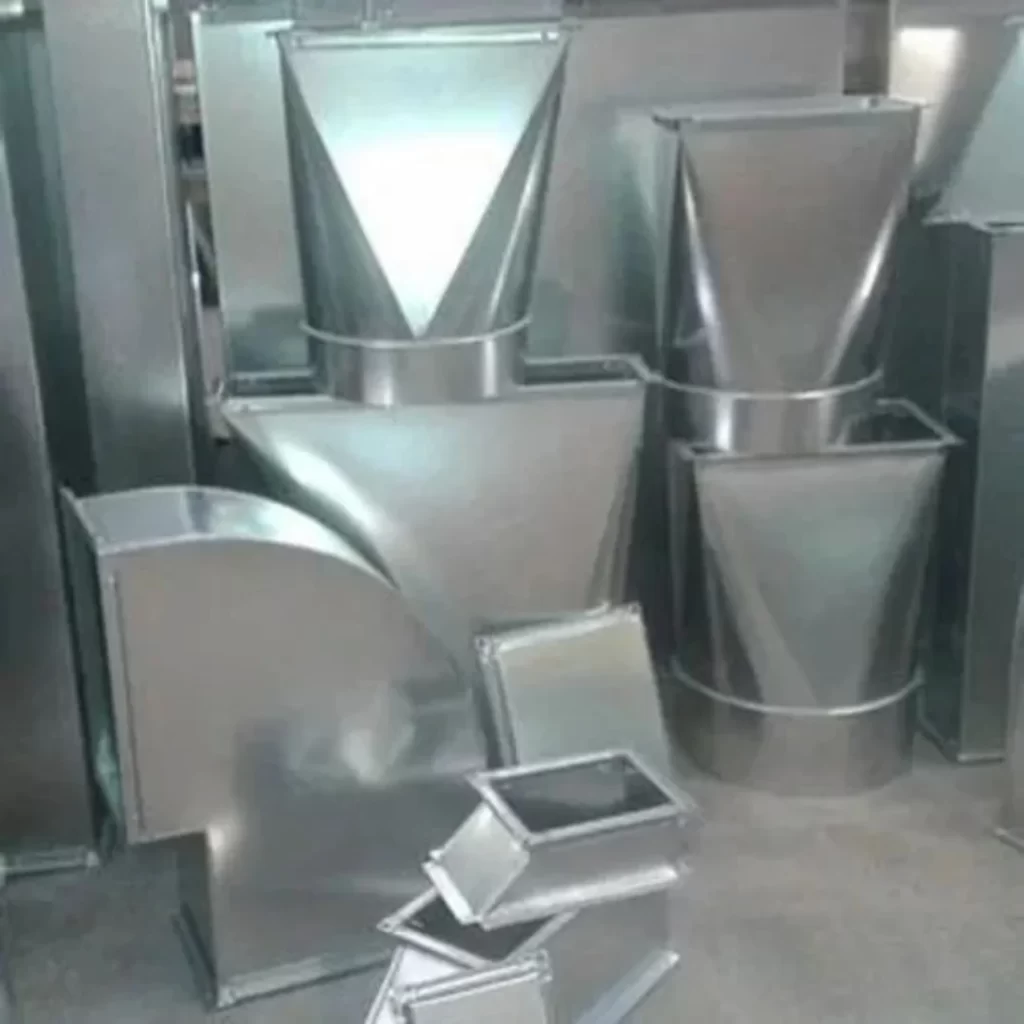
1. Galvanized Iron (GI) Ducts
GI ducts are the most commonly used in commercial and industrial HVAC systems. They are durable, resistant to corrosion, and provide smooth airflow. These ducts are ideal for air distribution in factories, malls, and hospitals.
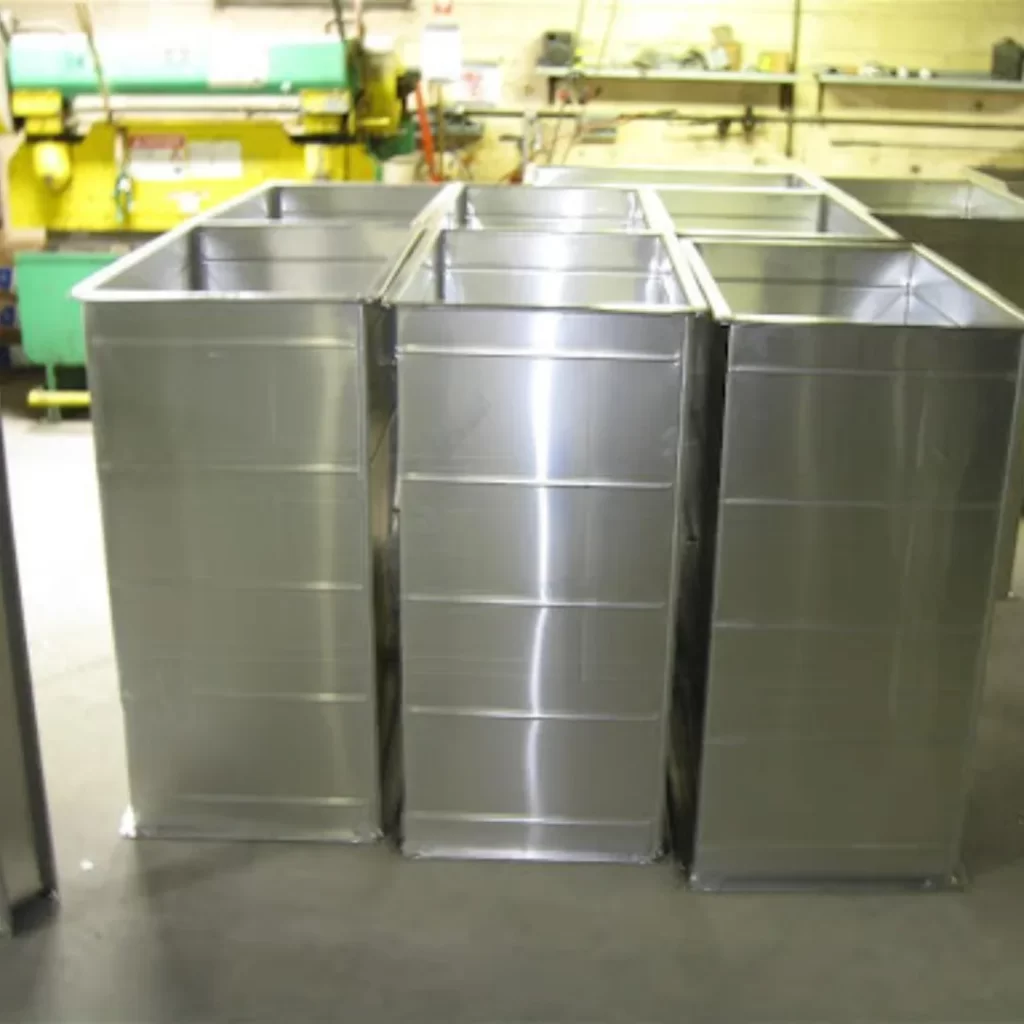
2. Aluminum Ducts
Aluminum ducts are lightweight and corrosion-resistant, making them suitable for cleanroom applications and areas with high humidity.
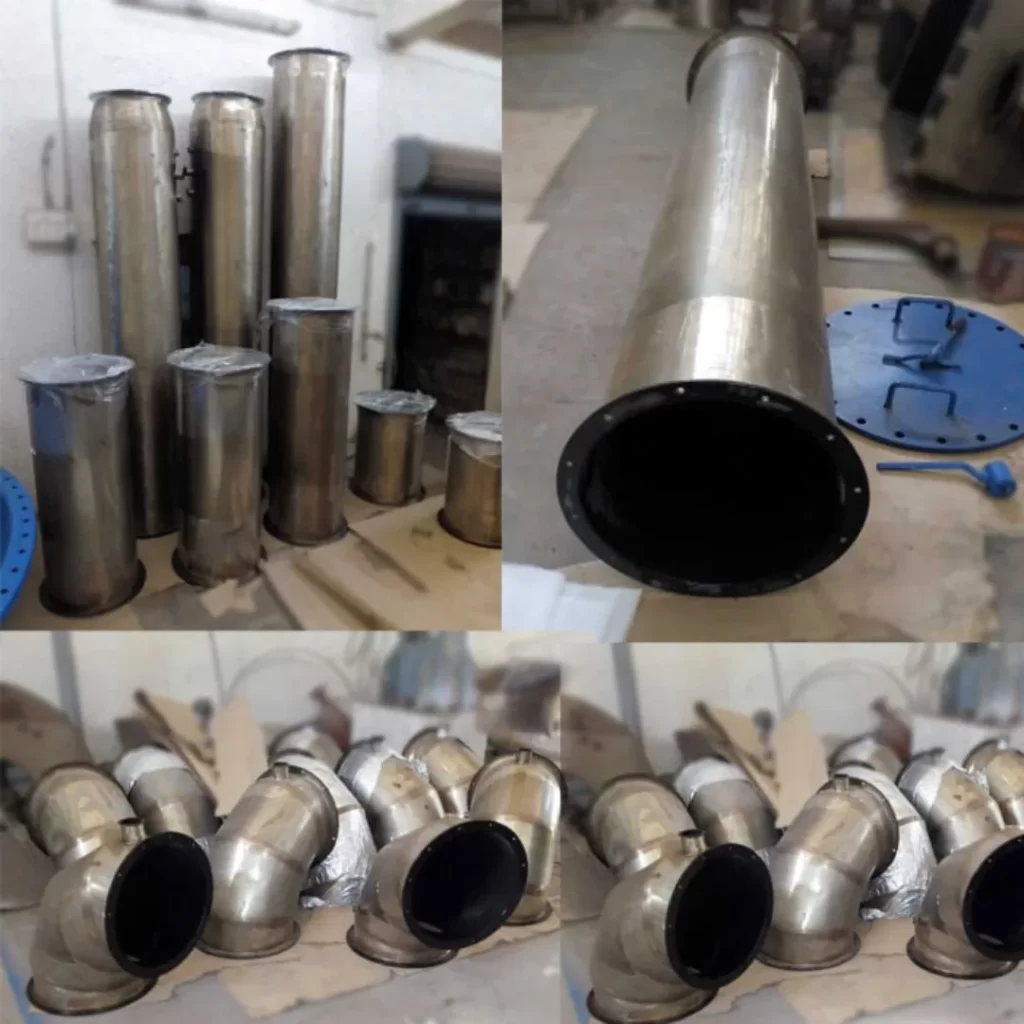
3. Stainless Steel Ducts
Used in industries that require high hygiene levels, such as food, beverage, and pharmaceuticals. These ducts are easy to clean and maintain.
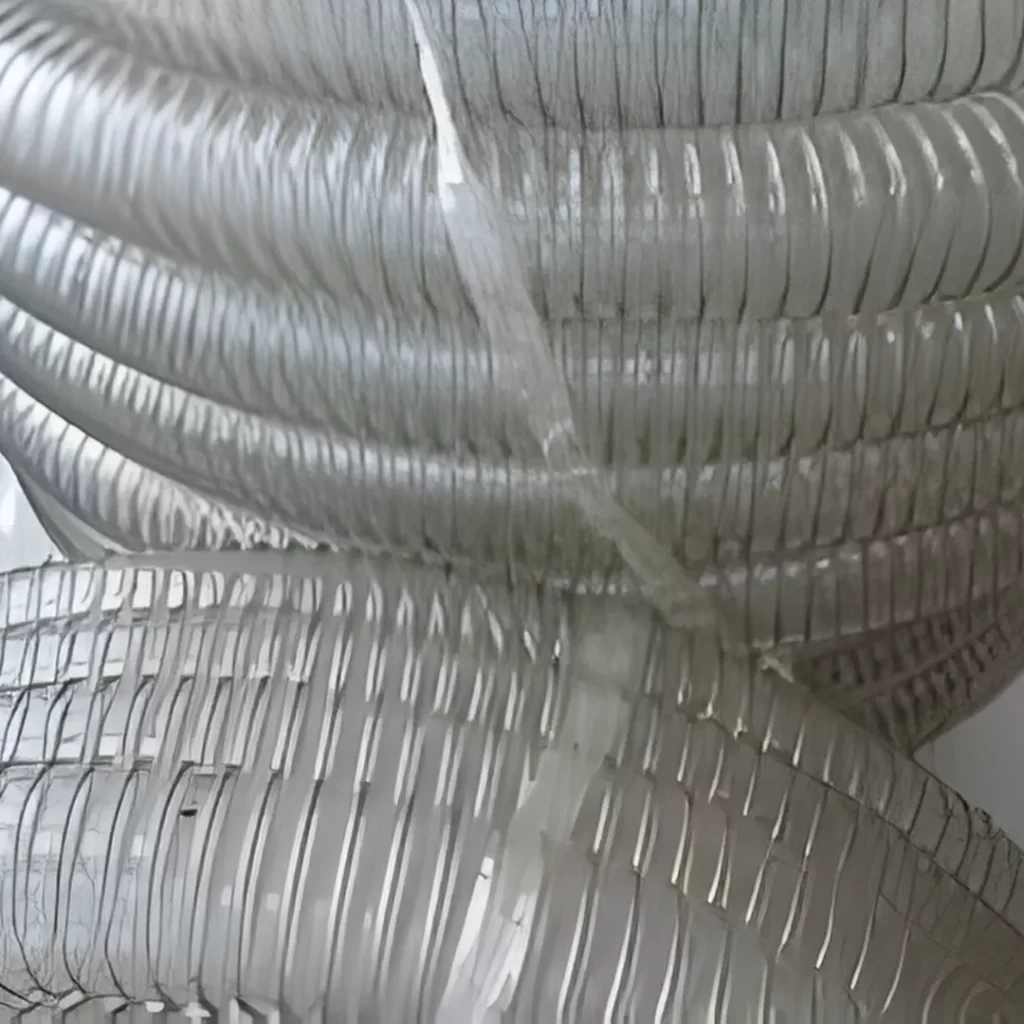
4. Flexible Ducts
Made from plastic or reinforced polymer, flexible ducts are used where rigid ducts cannot be easily installed — for example, in tight spaces or temporary installations.
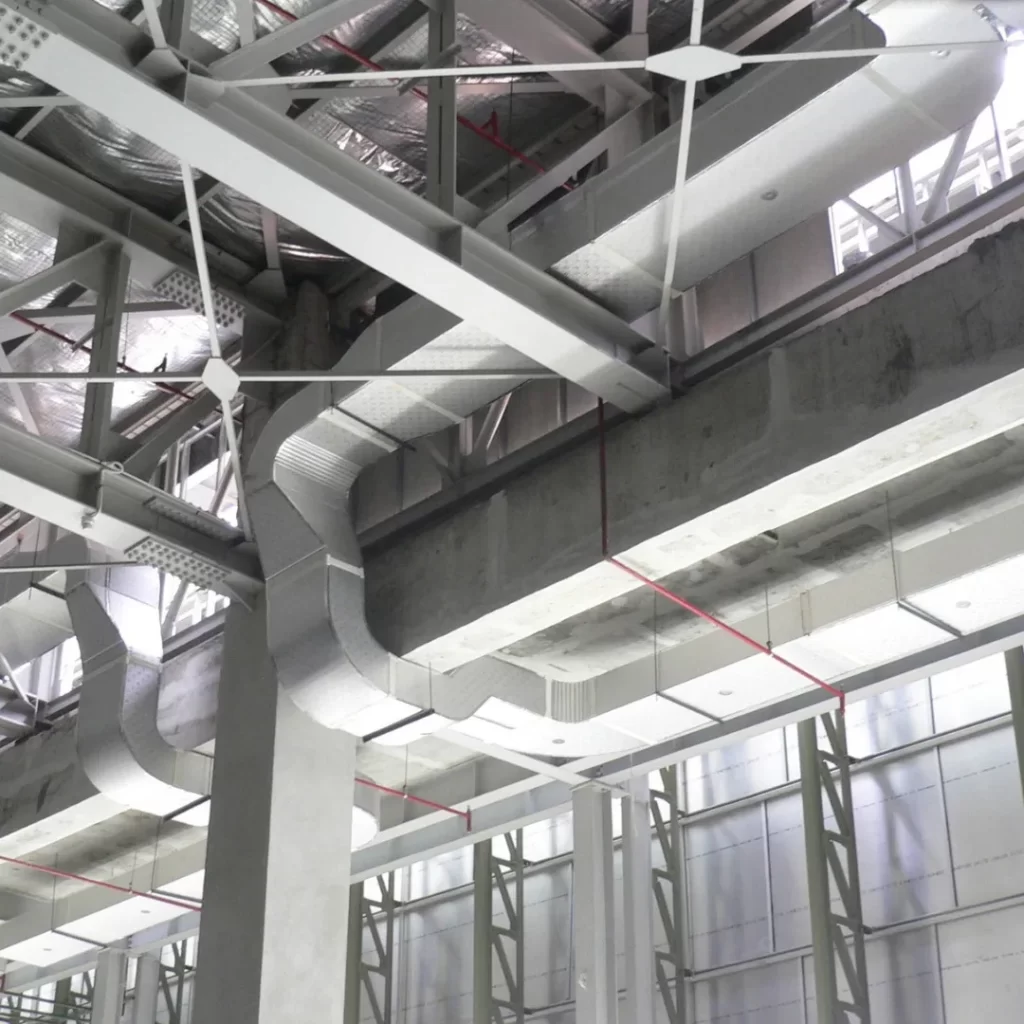
5. Insulated Ducts
These ducts come with insulation layers that prevent heat loss or gain, ensuring consistent air temperature and reducing condensation issues.
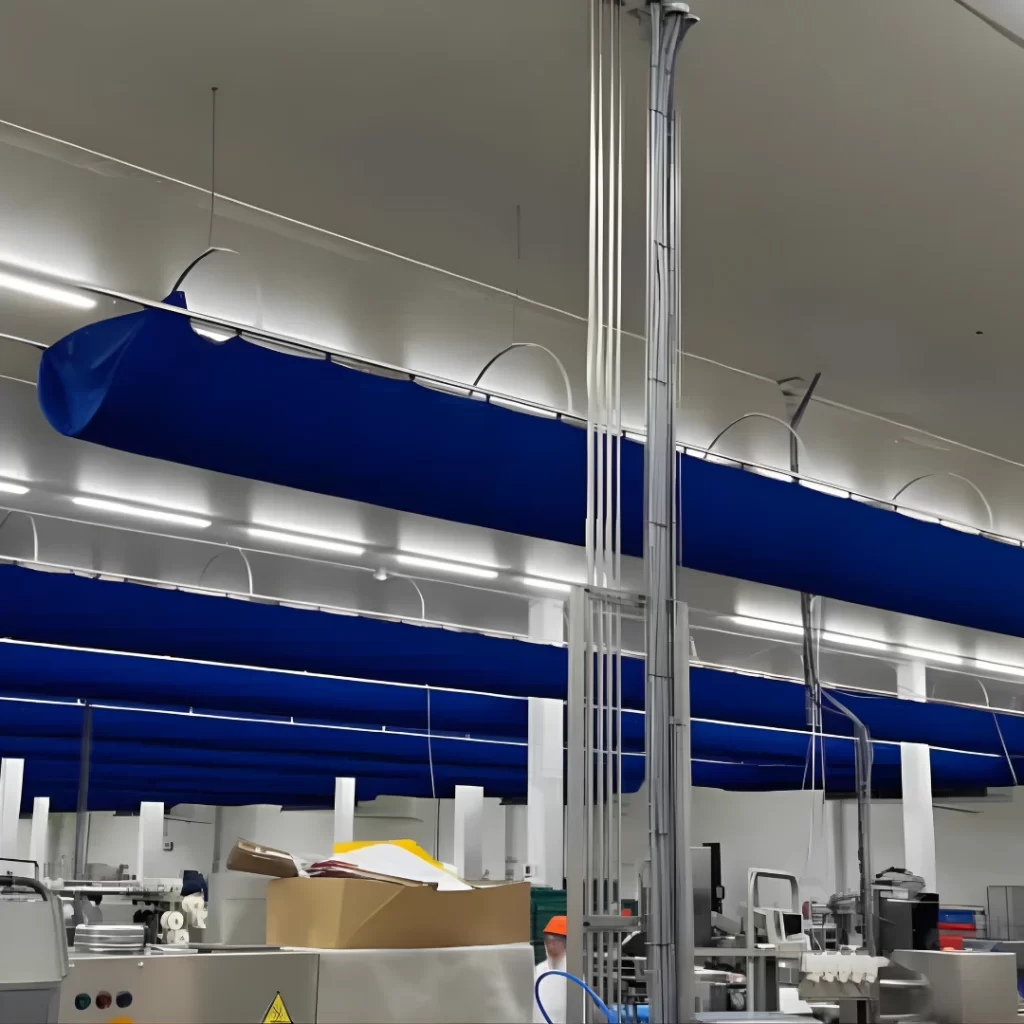
6. Fabric or Textile Ducting
Commonly used in large open spaces like gymnasiums, sports complexes, or industrial workshops. They are lightweight, easy to install, and distribute air evenly.
Materials Used in Ducting
Selecting the right duct material is crucial for performance and longevity. The common materials include:
- Galvanized Steel: Strong and widely used in industrial applications.
- Aluminum: Lightweight, corrosion-resistant, and ideal for cleanrooms.
- Stainless Steel: Preferred for sanitary applications.
- PVC and Plastic: Suitable for chemical or corrosion-prone areas.
- Fabric: Lightweight and easy to maintain for large-scale ventilation.
Applications of Ventilation Ducting
Ventilation ducting systems are used across various sectors and environments:
Industrial Applications
- Manufacturing units
- Chemical and pharmaceutical plants
- Food and beverage processing facilities
- Paint booths and automotive workshops
Commercial Spaces
- Shopping malls and multiplexes
- Office buildings
- Hotels and restaurants
- Educational institutions
Residential and Public Spaces
- Apartments and villas
- Hospitals and healthcare centers
- Airports, metros, and railway stations
A well-designed ventilation system maintains balanced airflow, ensuring optimal temperature and improved indoor air quality
Key Components of a Ventilation Duct System
- Main Duct Lines: Carry large volumes of air from the HVAC unit.
- Branch Ducts: Distribute air to various zones or rooms.
- Diffusers and Grilles: Control air distribution at outlet points.
- Dampers: Regulate and balance airflow
- Insulation Layers: Prevent heat loss and reduce energy consumption.
- Access Doors: Allow cleaning and maintenance of internal sections.
Each component must be designed with precision to ensure smooth airflow and minimize energy loss.
Advantages of a Well-Designed Ducting System
Improved Air Quality: Constant removal of pollutants and allergens.
Energy Efficiency: Optimized airflow reduces HVAC energy consumption.
Reduced Noise Levels: Insulated ducts help minimize vibration and noise.
Better Temperature Control: Uniform air distribution across the building.
Low Maintenance: Quality materials ensure long life and durability.
Compliance: Meets industry standards for safety and hygiene.
Common Problems in Poor Ventilation Ducting
Without proper design or maintenance, duct systems may face issues like:
- Air leakage and pressure imbalance
- Dust and microbial accumulation
- Poor insulation causing energy loss
- Noise or vibration in ducts
- Reduced airflow and uneven cooling/heating
Ventilair India Pvt. Ltd. – Trusted Experts in Ventilation Ducting Solutions
If you are interested in Air ventilation ducting, one name that consistently stands out as leading Ventilation Ducting manufacturers,is Ventilair India Pvt. Ltd.
With years of experience and advanced technology, we have established itself as a leading manufacturer and supplier of high-quality ventilation and ducting systems across industries. We are able to provide customized air handling and ducting solutions that meet diverse requirements of commercial, industrial, and institutional clients.
Why Choose Ventilair India Pvt. Ltd.?
- Expertise: A team of skilled engineers and technicians with deep HVAC knowledge.
- Quality Materials: Use of durable GI, aluminum, and stainless steel for longevity.
- Custom Design: Tailor-made duct systems based on building layout and air volume needs.
- Energy Efficiency: Focus on low-leakage and insulated duct designs.
- Installation Support: End-to-end services from design to commissioning.
- After-Sales Service: Regular inspection and maintenance support.
Our ventilation ducts are manufactured using precision machinery and undergo stringent quality checks, right from manufacturing to delivery these ducting systems are strictly supervised by an experienced team regarding quality standards to ensure seamless performance, minimal noise and long service life.
Commitment to Quality and Sustainability
Ventilair India Pvt. Ltd. emphasizes sustainable manufacturing practices. Our ducting solutions are designed to minimize energy waste, reduce carbon footprint, and comply with international environmental and safety standards.
We also provide advanced air handling and exhaust systems for industries that require specific airflow patterns, such as pharmaceutical cleanrooms and food processing plants.
Future Trends in Ventilation Ducting
With the growing emphasis on energy conservation and healthy indoor environments, the ventilation industry is evolving rapidly. Some upcoming trends include:
- Smart Ducting Systems: IoT-enabled sensors to monitor airflow and air quality.
- Eco-Friendly Materials: Recyclable and low-VOC materials for duct construction.
- 3D Modeling and Simulation: For precise duct layout design.
- Improved Insulation Techniques: To enhance efficiency and reduce noise.
Conclusion
A robust ventilation ducting system is the backbone of any efficient HVAC setup. It not only ensures comfort and energy efficiency but also plays a vital role in maintaining a clean and safe indoor environment.
If you want to install ventilation ducting at your industrial or commercial space, you can choose Ventilair India as your trusted partner. We offer best quality, reliable and durable ducting Solutions at a very cost efficient price range.
From design and fabrication to installation and maintenance, we continue to lead the way in delivering superior air management systems that enhance performance, reliability, and sustainability.